
Carlisle sits where I-81 meets the Pennsylvania Turnpike, and that crossroads has filled the area with warehouses and distribution centers. Those buildings share one thing: acres of flat roof over inventory, equipment and people. On a roof that size, a small problem that goes unnoticed for one season can soak a large area of insulation or drip onto racked product.
A regular maintenance routine is the cheapest insurance a warehouse roof can have. Use this checklist as a starting point for your building.
Spring: After the Winter
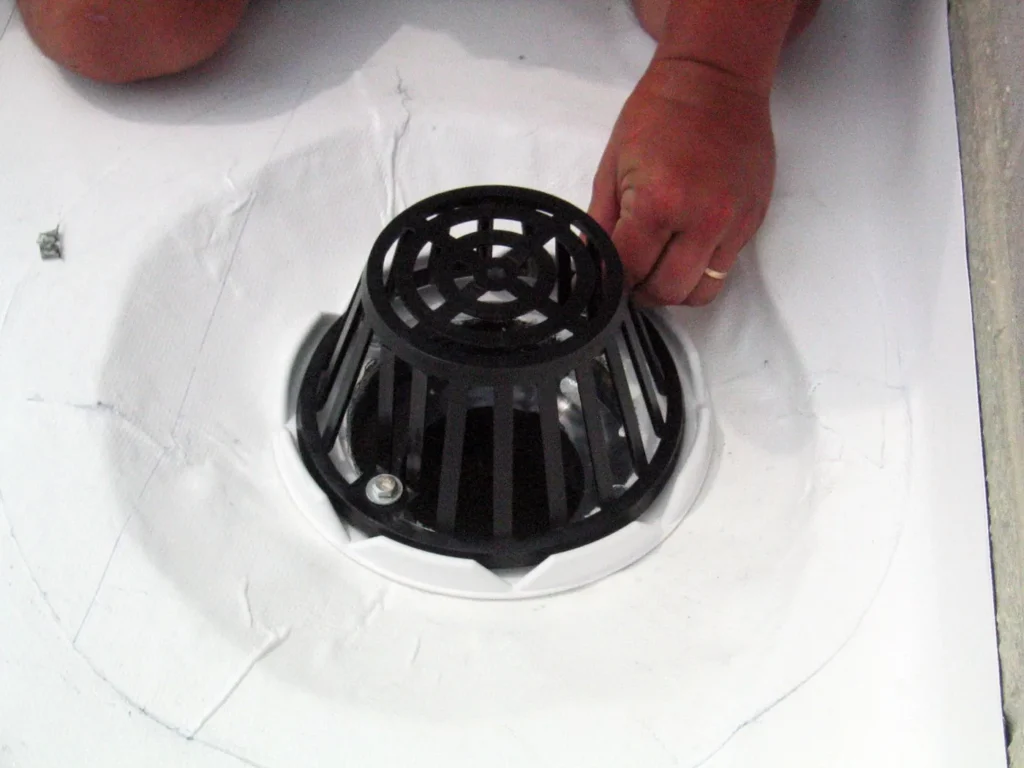
- Clear every drain, scupper and gutter. Winter debris and ice damage block drainage just as spring rain arrives.
- Look for ponding water 48 hours after rain. Standing water speeds up membrane aging and points to drainage or deck problems.
- Check seams and laps on TPO, EPDM and PVC roofs for lifting edges, especially at the perimeter.
- Inspect flashing at walls, parapets, curbs and roof edges for cracks or separation caused by freeze and thaw.
- Walk the interior and look at the underside of the deck and ceiling tiles for stains after heavy rain.
Summer: Storm Season
- Inspect after every major storm. Hail, high wind and falling limbs can puncture membranes and loosen edge metal. Our storm damage repair page explains what to document for insurance.
- Check rooftop units. HVAC contractors walk the roof all summer. Look for dropped screws, panels left loose and worn paths in the membrane.
- Review penetrations such as pipes, vents and exhaust fans for failed sealant or cracked boots.
Fall: Before the Winter
- Clear drains again after the leaves drop.
- Repair anything found during the year. Small openings that go into winter unrepaired let water freeze, expand and open them further.
- Check roof edges and coping so wind and snow do not lift them.
- Plan snow removal with your team so shovels and equipment do not cut the membrane.
All Year: Control Rooftop Traffic
On distribution centers, a large share of roof damage is caused by people, not weather. Keep a log of who goes on the roof and why. Ask contractors to stay on walkway pads, and add pads along regular service routes if you do not have them. Tools, screws and sharp debris left behind can puncture a membrane long after the job is finished.
What to Leave to a Professional
Facility staff can handle drains, visual checks and interior leak watching. Moisture testing, seam repairs, flashing work and anything involving the membrane itself should be done by a commercial roofer, both for safety and because improper repairs can affect a manufacturer’s warranty. A roof maintenance service plan with scheduled inspections covers these items and gives you a dated photo record of the roof’s condition, which many warranties expect owners to keep.
When the checklist starts turning up problems in several areas at once, it may be time to look at a roof coating instead of another round of repairs. Learn more about the buildings we work on in the area on our Carlisle commercial roofing page.
Get a Straight Answer About Your Roof
Double H Commercial Roofing works with building owners and property managers in Carlisle and across Central Pennsylvania. Every evaluation is free, photo-documented and comes with honest options. Call 814-380-8978 (Monday to Friday, 8 AM to 8 PM) or request your free roof evaluation.